
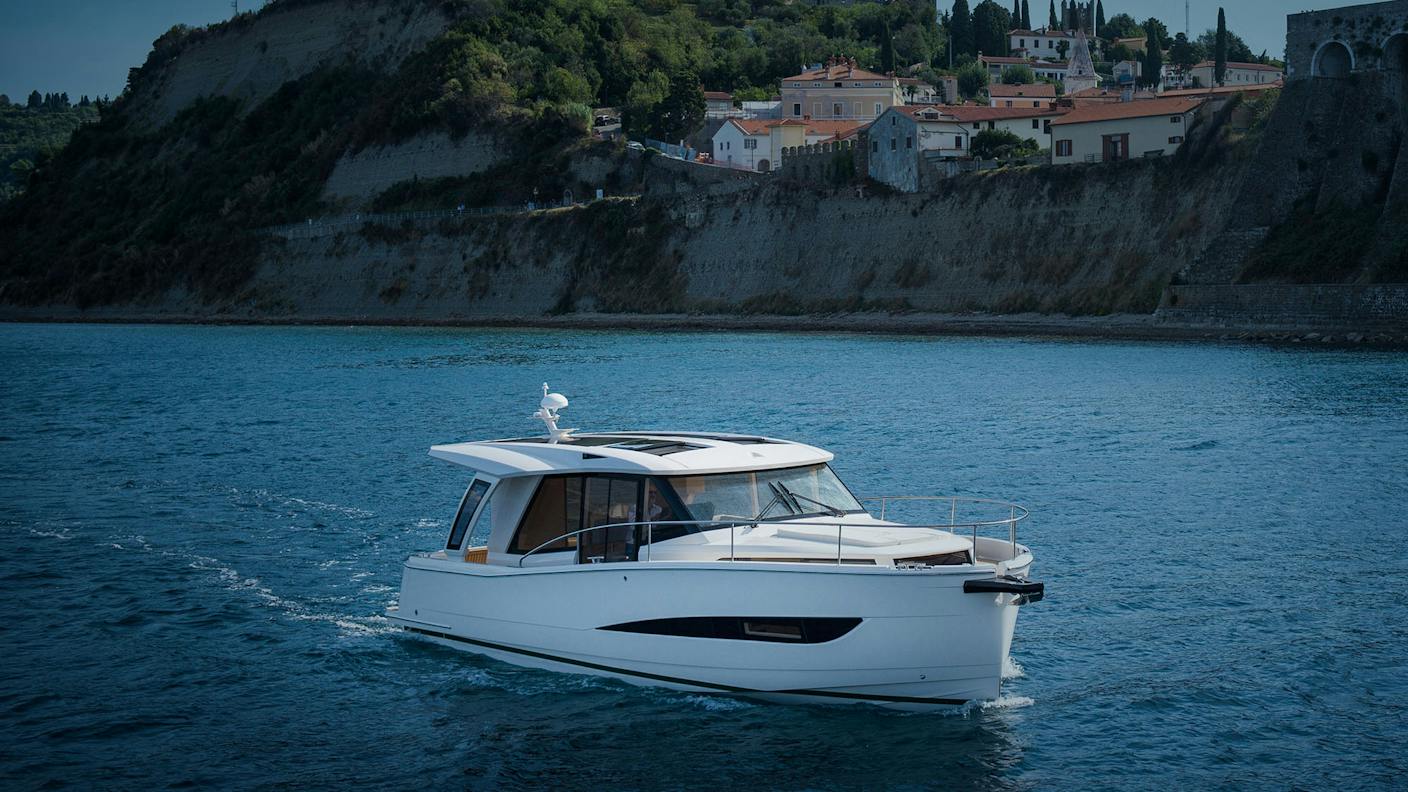
Greenline 39
Coupé · Hybrid Drive available
The Greenline hybrid difference
Quiet electric operation. The flexibility of diesel. Solar-supported life onboard. Discover what hybrid technology means in the real world.
Greenline 6G Hybrid Drive
Discover more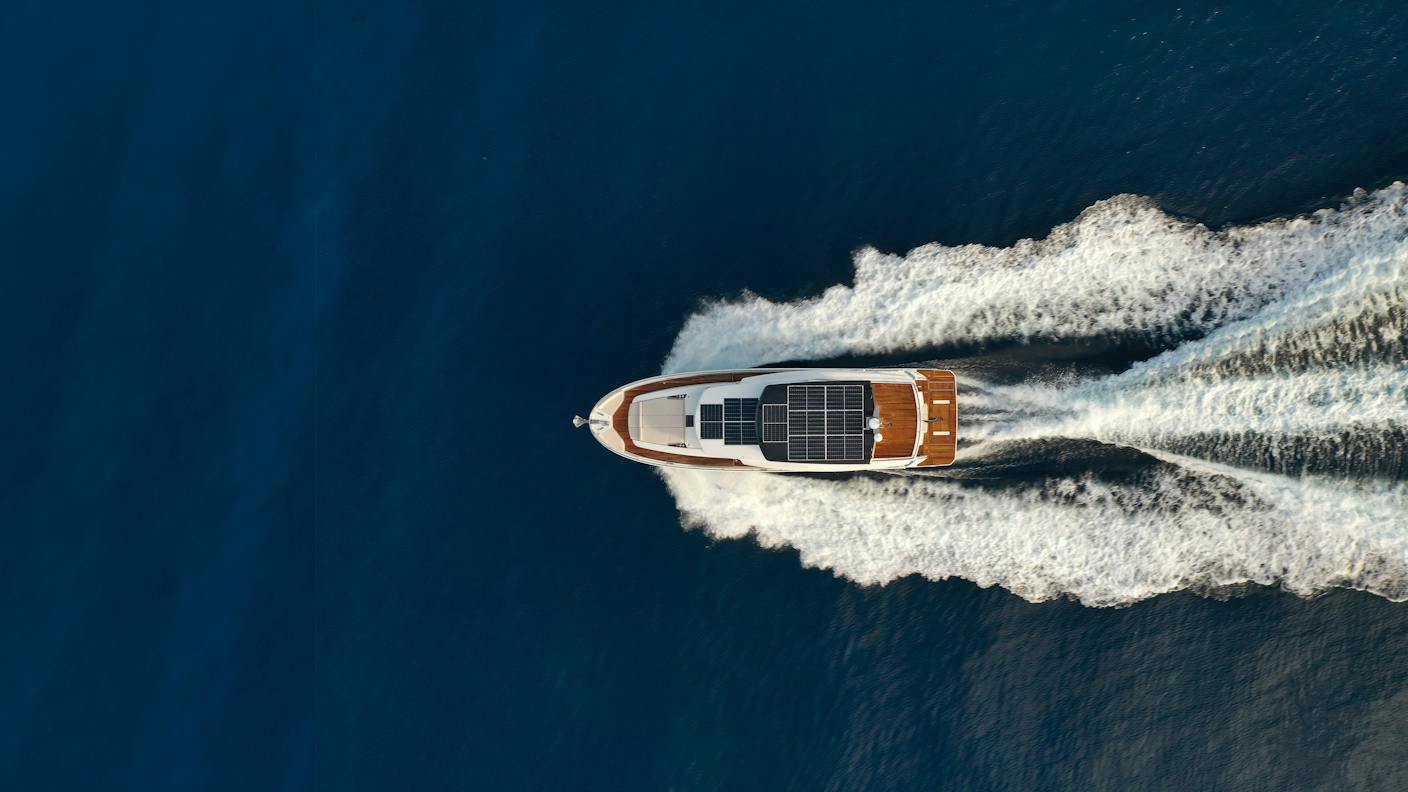
About Greenline Yachts
How the hybrid system feels on the water, from the marina to the anchorage. Pick a mode to see how it feels, what it is good for, and where the energy flows.
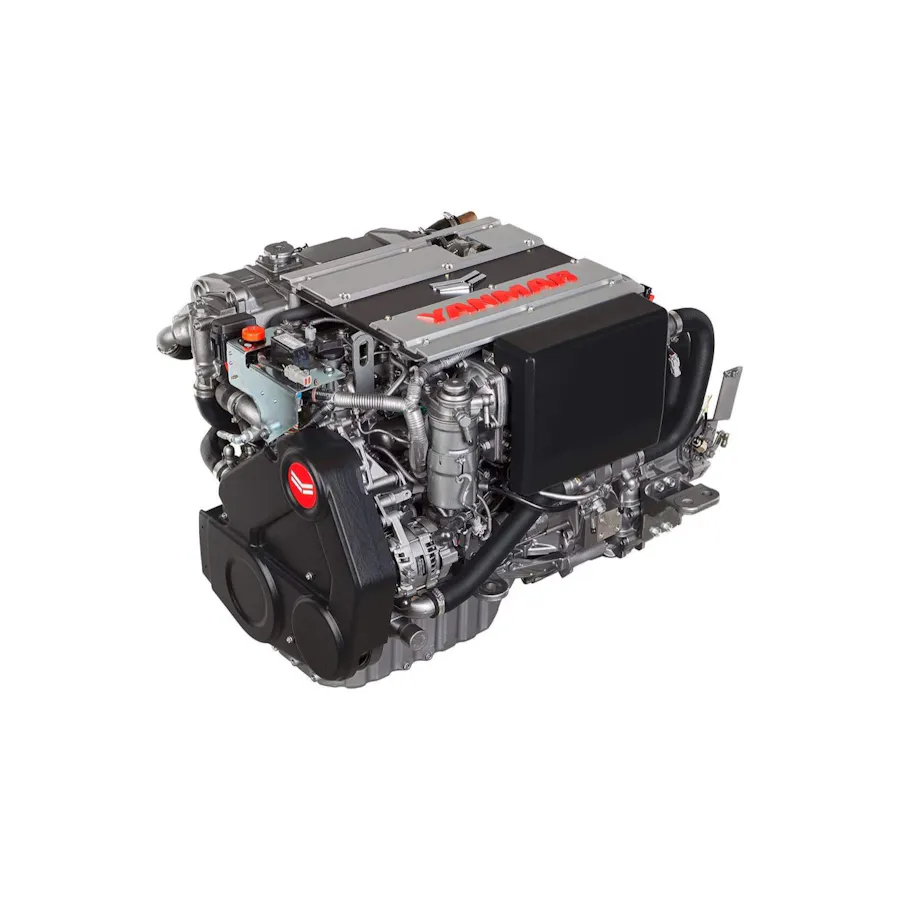
Greenline 40 · Standard
2 x Yanmar 4LV
2 x 250 HP · max 22 kts
Hybrid version
Electric motors2 x 18 kW shaft drive
Generators2 x 14 kW
BatteriesUp to 53.2 kWh LiPo
Full electric version
Electric motors2 x 50 kW shaft drive
Range extender4 kW diesel generator
BatteriesUp to 2 x 40 kWh
Figures from the official Greenline 40 page. Availability and configurations vary; confirm with your dealer.
Energy flow
Battery → electric motor → propeller. Diesel off.
Simplified illustration; equipment and behaviour vary by model and configuration. Photography: Greenline Yachts.
Hybrid essentials
A hybrid motor yacht combines diesel and electric propulsion with a battery system. Greenline H-Drive gives owners a choice: electric operation at low speeds, diesel cruising for longer passages or higher speeds, and stored energy for onboard electrical systems.
The energy, explained
Battery energy powers the electric motor for quiet low-speed operation. Range is specific to the model, battery package, speed and conditions.
Diesel propulsion provides flexibility for longer passages and higher speeds. The hybrid system can charge the battery bank while underway.
Batteries store energy for propulsion and onboard systems. Shore power and the hybrid charging system complement solar contributions.
Solar contributes to battery charging and onboard electrical loads. Production varies with sunlight, shading and season; it is not a guarantee of self-sufficient propulsion.
The battery bank and inverter supply onboard equipment. Solar can help replenish energy, and generator use may be reduced depending on consumption.
Quiet low-speed cruising, flexible energy use and comfort onboard are compelling benefits. The right configuration depends on how you intend to use your yacht.
An honest comparison
| Consideration | Hybrid Drive | Conventional diesel |
|---|---|---|
| Low-speed operation | Electric mode available | Diesel engine operation |
| Onboard energy | Integrated battery and charging system | Depends on the installed electrical package |
| Complexity | Additional battery and electrical components | Conventional propulsion service profile |
| Ownership costs | Compare purchase, battery and service costs | Compare fuel, generator and engine service costs |
There is no single answer for every owner. Compare equipment packages and real cruising habits, not broad efficiency promises.
Choose your configuration
Coupé · Hybrid Drive available
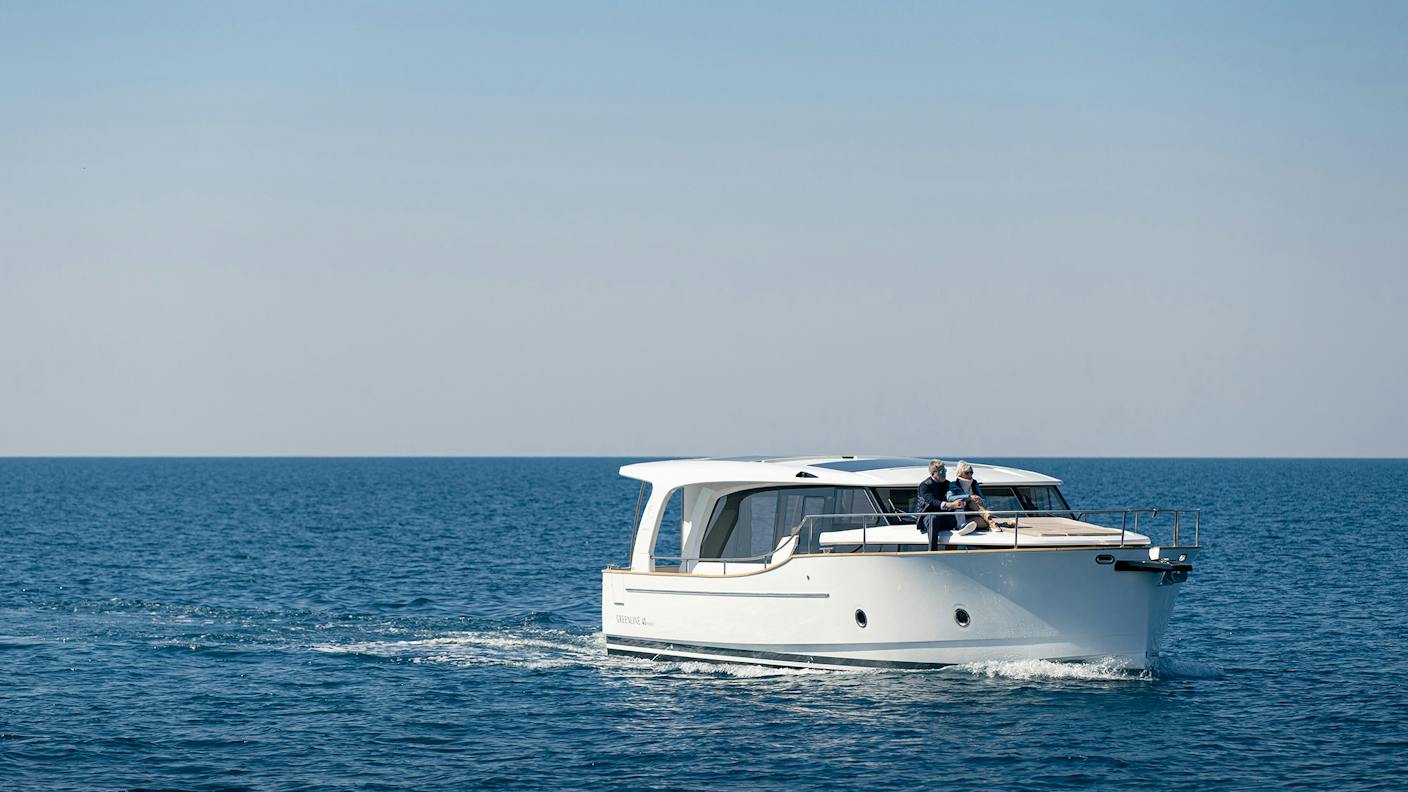
Coupé · Hybrid Drive available
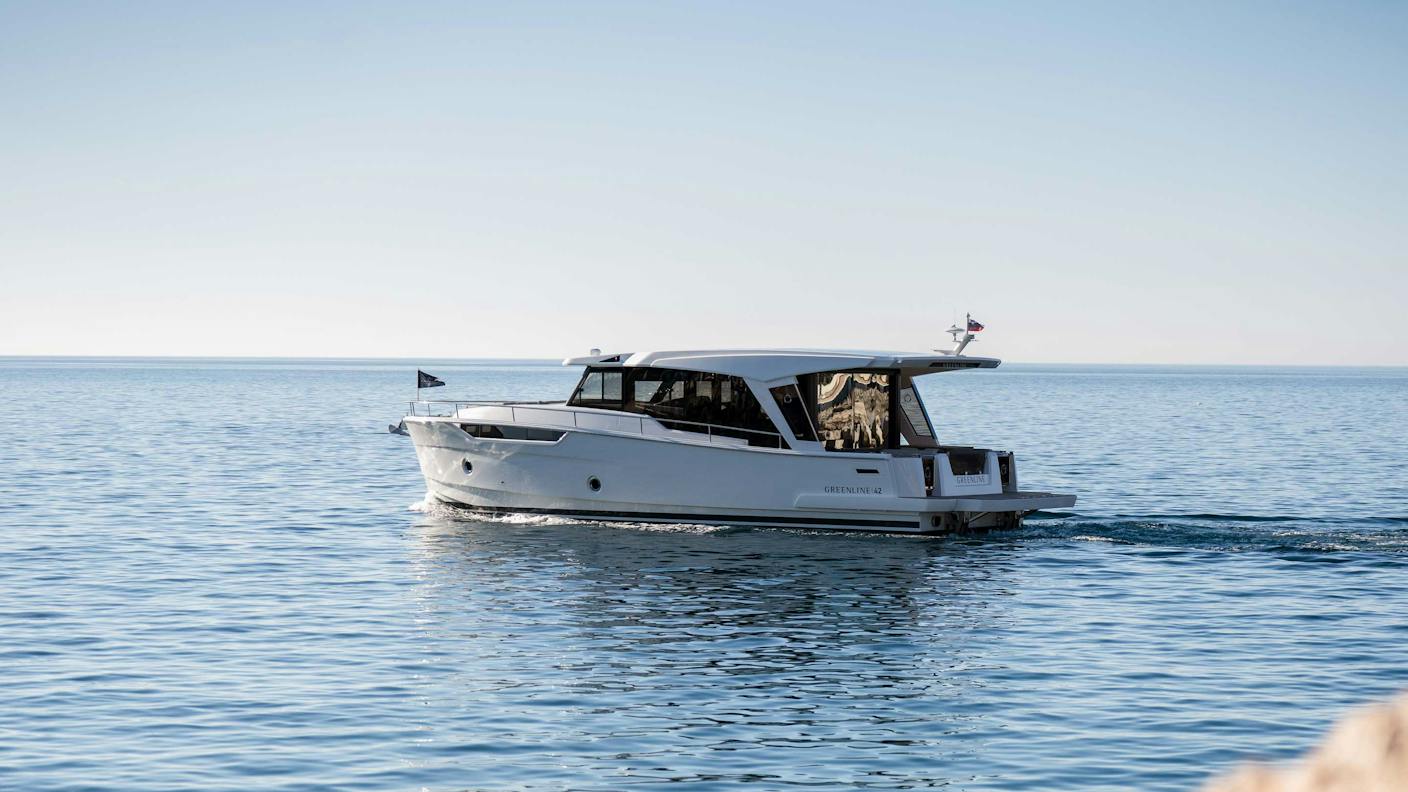
Coupé · Hybrid Drive available
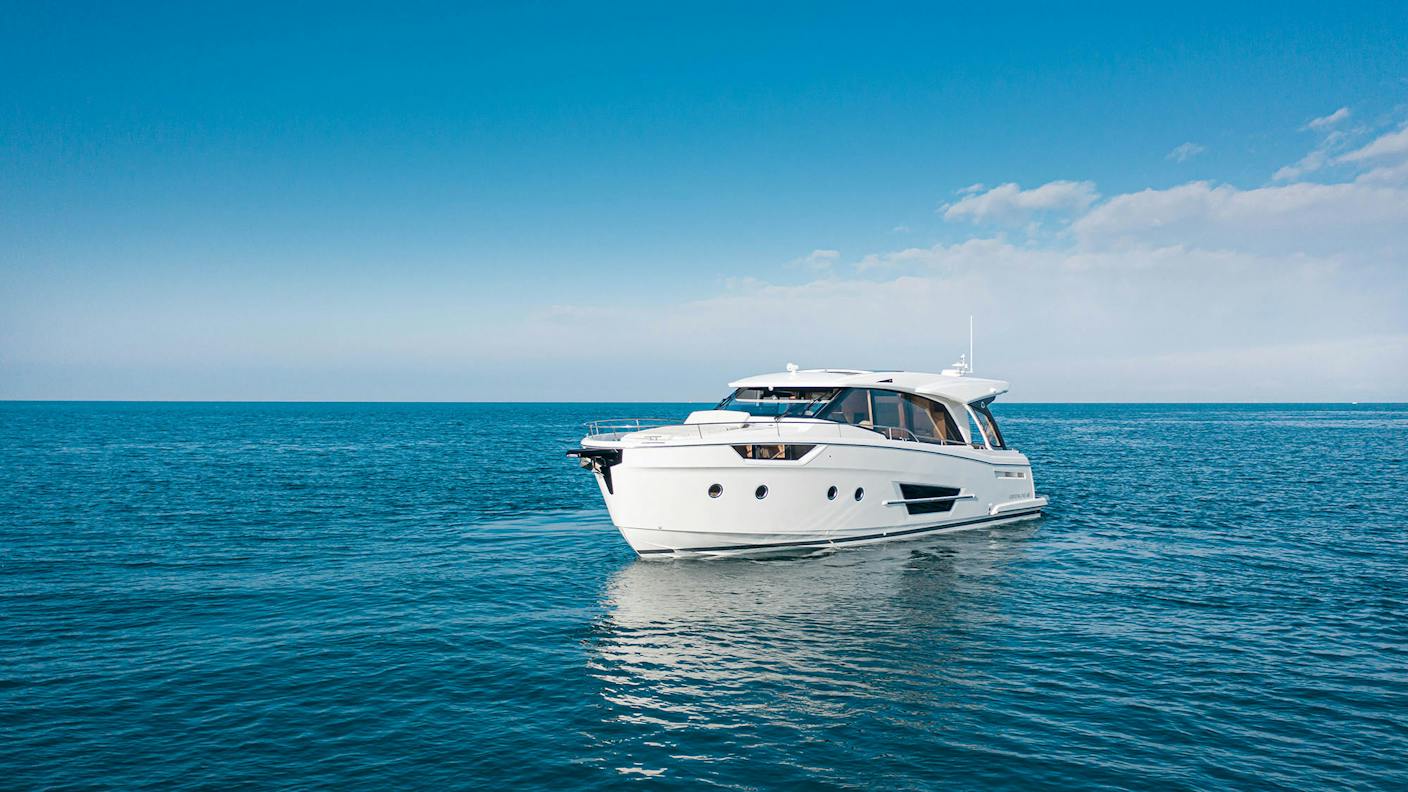
Coupé · Hybrid Drive available
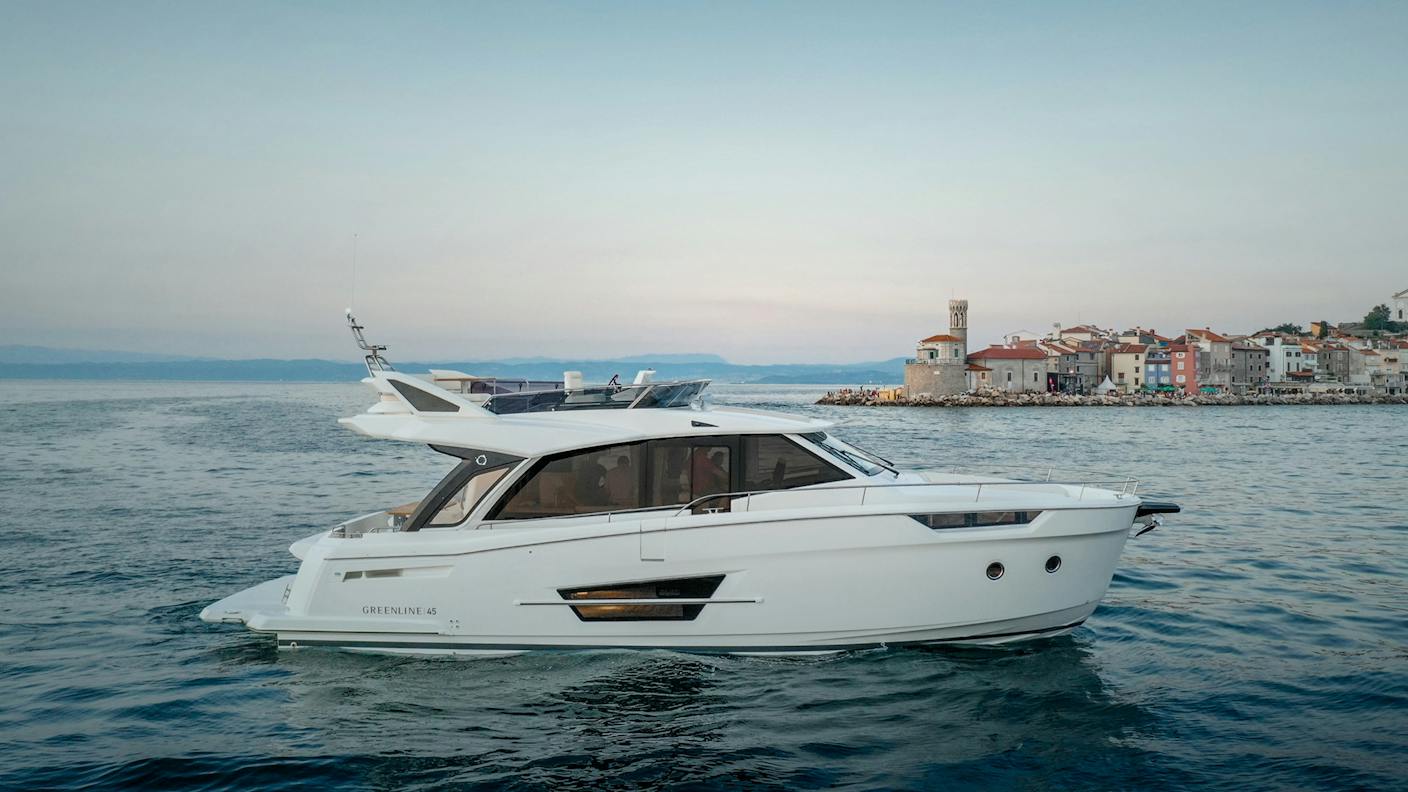
Flybridge · Hybrid Drive available
Greenline 50 Coupé
Coming Soon
Coming Soon
Greenline 50 Fly
Coming Soon
Coming Soon
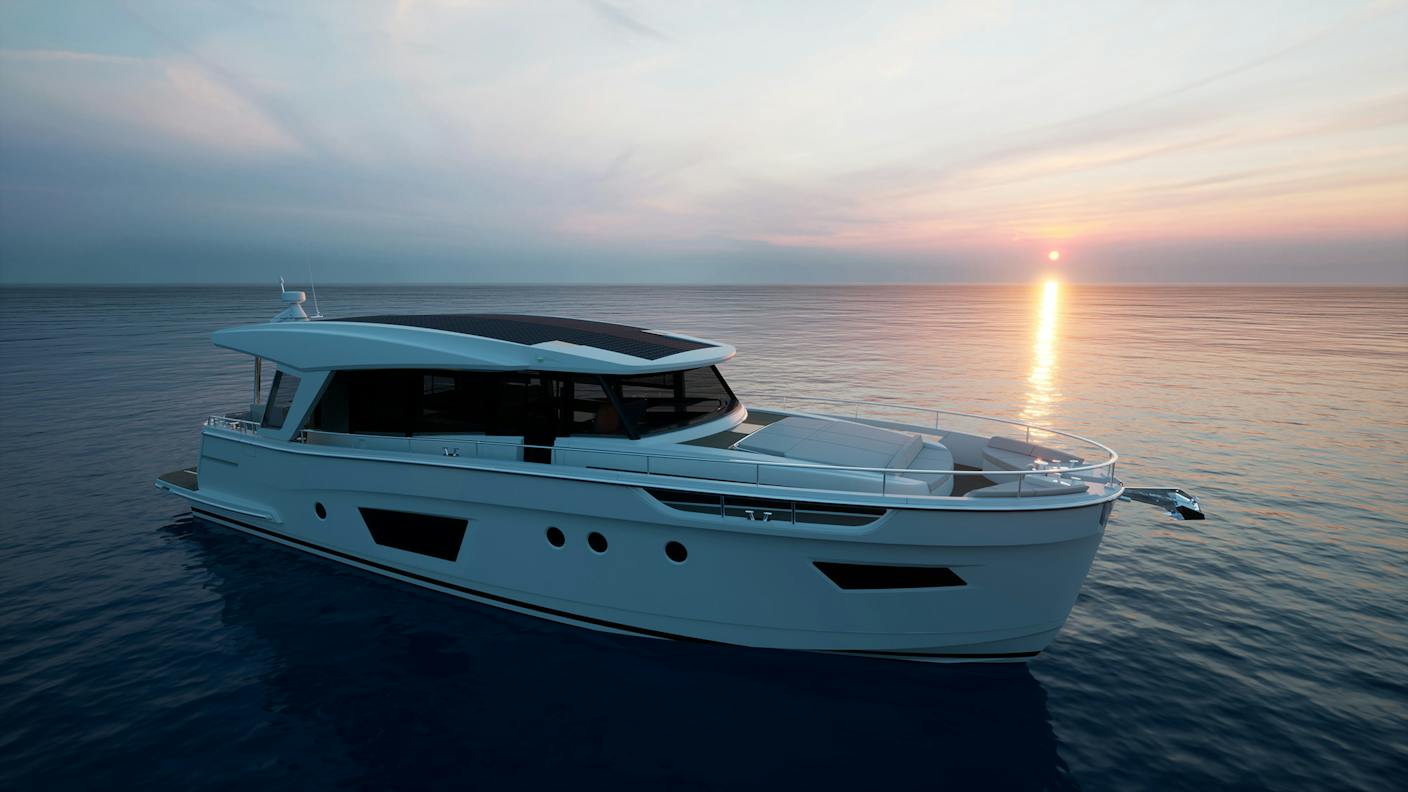
Coupé · Hybrid Drive available
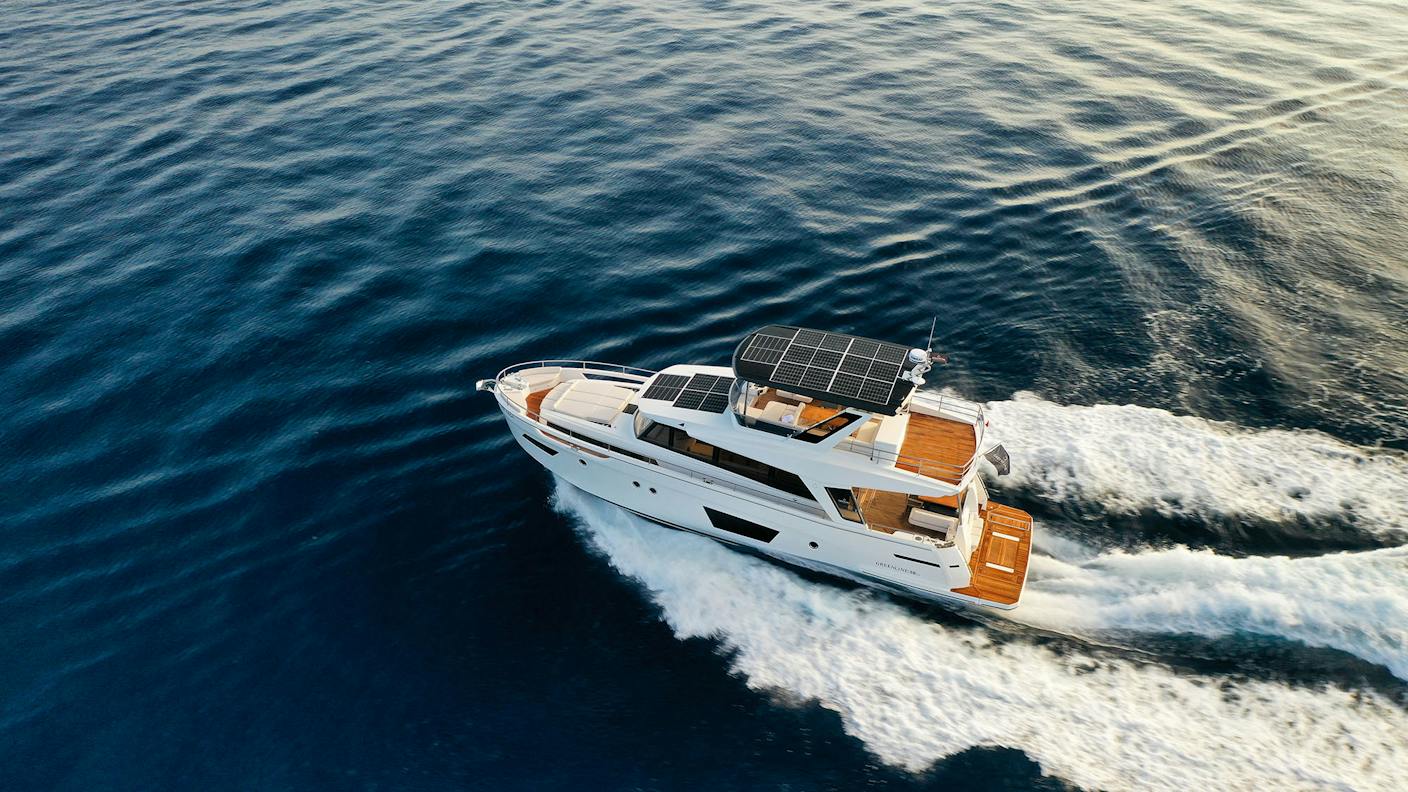
Flybridge · Hybrid Drive available
West Coast ownership
Puget Sound, the San Juans and British Columbia offer varied cruising conditions. Your range, energy use and service needs deserve a conversation grounded in your intended itinerary.
Range depends on the specific model, battery capacity, speed, sea state and electrical loads. Request current model-specific figures and a configuration proposal.
They contribute electricity to the onboard energy system. They do not guarantee continuous propulsion or unlimited power for appliances.
Generator use may be reduced, but energy consumption and battery recharge options determine what is possible. There is no universal generator-free promise.
Plan for diesel engine servicing alongside checks for the electrical drive, charging systems and batteries. Confirm service support, warranties and intervals with the dealer.
Your next chapter on the water
Let’s find the right yacht for the way you want to cruise.